Italy updates 2026–27 student visa procedures, reinforcing pre-enrolment validation via Universitaly, structured embassy appointment allocation, and strict eligibility and jurisdiction requirements for applicants.
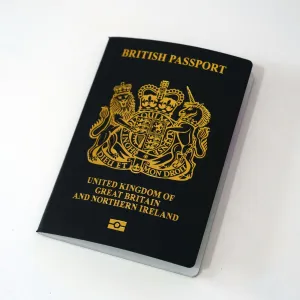
UK MPs have raised concerns that proposed remote English tests for visa applicants could increase fraud risks and weaken confidence in the UK's immigration system.
Georgia plans stricter admission rules, student quotas, and tighter residence permit conditions for international students as part of a broader migration and security overhaul.
A federal judge has blocked the Trump administration’s $100,000 H-1B visa fee, easing concerns across U.S. higher education and research sectors that rely heavily on international talent.
Pakistan has introduced new rules for collaborative degrees and expanded TNE eligibility, signalling a more flexible and mature approach to higher education internationalisation.
Canada's new "AI for All" strategy aims to expand AI literacy, provide trusted AI tools to post-secondary students, and strengthen the country's AI workforce and infrastructure.
The UK government is tightening visa compliance for universities recruiting international students, introducing stricter performance thresholds and a traffic-light system. The measures respond to visa misuse amid a recent drop in overseas enrolments, which has increased financial pressure on UK universities.
New Zealand will introduce a six-month Short-term Graduate Work Visa and expand Post Study Work Visa eligibility to certain graduate diploma holders from November 2026, strengthening graduate employment pathways.
Japan will require interviews for major alternative university admissions pathways from 2027, reinforcing holistic evaluation beyond examinations amid broader higher education reforms.
China approved over 200 new transnational education partnerships in May 2026 as Beijing expands “internationalisation at home” efforts to reduce overseas study costs and retain billions in education spending domestically.