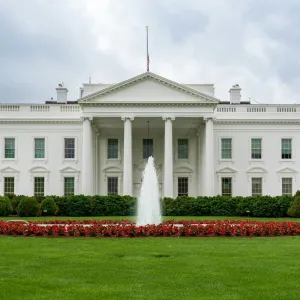
The United States has finalised its four-year student visa rule, ending the long-standing duration of status policy and requiring many international students to seek government approval to extend their stay.
India has approved the progressive closure of 58 engineering institutions, reflecting a shift towards quality, stronger governance, and better alignment between higher education and labour market demand.
England plans to introduce a £925 annual levy per international student from 2028, exempting offshore transnational education while increasing costs for universities recruiting international students to England.
U.S. research universities report declining PhD admissions as funding uncertainty, reduced research capacity, and international student challenges raise concerns over America’s future innovation pipeline.
Bangladesh has introduced a centralised research funding model through the UGC, increasing research investment while prompting debate over governance, transparency and decision-making processes.
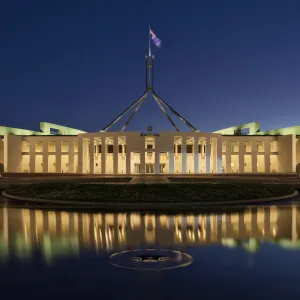
Australia’s new foreign arrangements reforms signal a shift in transnational education governance, requiring universities to balance global expansion with stronger oversight, institutional resilience and strategic risk management.
Italy launches a €420 million initiative enabling 150,000 secondary students to study abroad, strengthen language skills and gain international experience.
Australia will keep international student commencements capped at 295,000 in 2027 as the government prioritises sustainable growth, quality, and sector stability.
China's state-backed education bodies increasingly combine regulatory authority with commercial operations, raising questions about competitive neutrality, governance, and whether market oversight should be separated from market participation.
UK’s Office for Students is reforming the Teaching Excellence Framework, introducing Gold–Bronze ratings, stronger interventions, and greater transparency on student experience and outcomes.