Italy updates 2026–27 student visa procedures, reinforcing pre-enrolment validation via Universitaly, structured embassy appointment allocation, and strict eligibility and jurisdiction requirements for applicants.
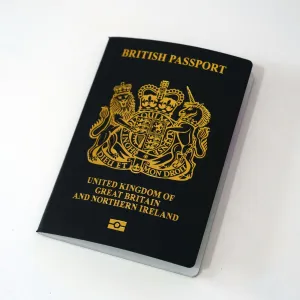
UK MPs have raised concerns that proposed remote English tests for visa applicants could increase fraud risks and weaken confidence in the UK's immigration system.
Ofqual fined Cambridge English £875,000 after IELTS automated marking errors affected over 62,000 candidates, including some visa-related cases, prompting corrections and system reforms.
The UK government is tightening visa compliance for universities recruiting international students, introducing stricter performance thresholds and a traffic-light system. The measures respond to visa misuse amid a recent drop in overseas enrolments, which has increased financial pressure on UK universities.
International graduates who study in Germany are three times more likely to find employment and stay long term, highlighting universities’ role in addressing STEM shortages.
UK universities are adopting collaboration, digital transformation, and cost-cutting to navigate financial pressures, with staff reductions, course closures, and research cuts becoming more common.
The University of Sheffield plans chemistry and materials science job cuts amid mounting UK university financial pressures, raising concerns about scientific capacity, international recruitment, and the sustainability of laboratory-based education.
The University of Manchester plans to provide practical work experiences for all undergraduates, highlighting growing global pressure on universities to improve employability and adapt to AI-driven labour market changes.
The Erasmus Mundus Association’s General Assembly descended into governance crisis after conflicting directives from its leadership triggered disputes over voting legitimacy, EU compliance expectations, and organizational authority.
The DAAD warned that German government funding cuts could end most university cooperation programs with the Global South by 2031, potentially weakening Germany’s global academic influence and talent recruitment efforts.